The recent conflict involving Iran has created major disruptions in one of the world’s most important shipping routes—the Strait of Hormuz. While most headlines focus on oil, the reality is that this situation is having a direct and growing impact on chemical supply chains, pricing, and availability across the United States.
For businesses that rely on industrial chemicals such as isopropyl alcohol, hydrogen peroxide, sodium hydroxide, hydrochloric acid, and other bulk chemicals, these global events are already beginning to affect costs and lead times.
What Is Happening in the Strait of Hormuz?
The Strait of Hormuz is a critical global shipping lane responsible for moving roughly 20% of the world’s oil and large volumes of petrochemicals and industrial materials.
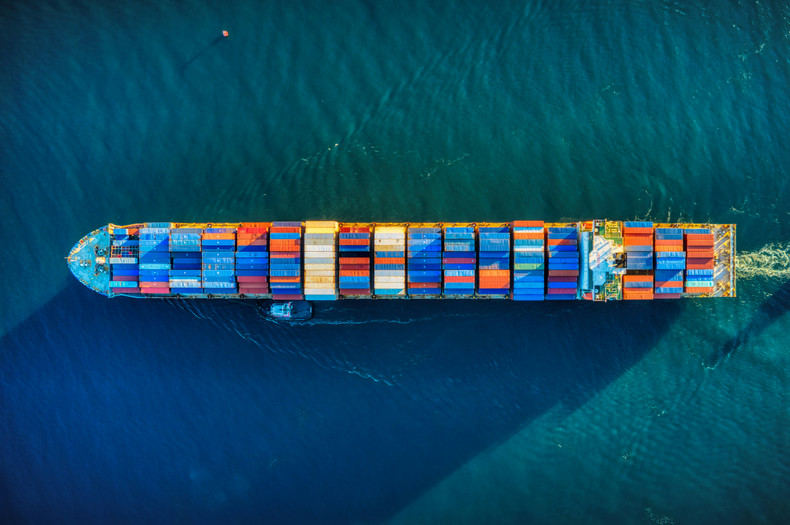
Due to recent military escalation, shipping activity through the region has been severely disrupted. Tanker traffic has dropped sharply, and many shipping companies have paused operations entirely due to safety risks and rising insurance costs.
In practical terms, this means raw materials and chemical products that normally move freely through the region are now delayed, rerouted, or unavailable.
Why This Matters for Chemical Supply
Many essential chemicals and feedstocks originate from or pass through the Middle East. When this supply chain is disrupted, the effects quickly spread worldwide.
Key impacts include:
- Petrochemical shortages (used in plastics, solvents, and coatings)
- Fertilizer and industrial chemical delays
- Feedstock disruptions for chemical manufacturing
- Higher global commodity prices
For example, approximately one-third of global fertilizer trade moves through the Strait of Hormuz, meaning agricultural and chemical markets are directly exposed to disruptions.
Additionally, hundreds of chemical and oil cargo ships have already been stranded, preventing exports from major producers in the Gulf region.
Rising Prices Across Chemical Markets
As supply tightens, prices are beginning to rise across multiple chemical categories.
Recent developments show:
- Increased prices for plastic resins and polyethylene due to feedstock shortages
- Higher freight and insurance costs for chemical shipments
- Growing volatility in global commodity and energy markets
These increases eventually flow downstream into everyday industrial products, including:
- Cleaning chemicals
- Water treatment chemicals
- Solvents and degreasers
- Agricultural inputs
How This Affects the U.S. Chemical Market
Although the United States produces a large portion of its own energy, it is still deeply connected to global chemical pricing.
As a result, disruptions overseas are already impacting U.S. businesses through:
- Higher input costs for manufacturers
- Increased import prices on bulk chemicals
- Longer lead times and limited availability
- General inflation across industrial supply chains
Even domestically sourced chemicals are affected, because pricing is tied to global benchmarks and feedstock costs.
What This Means for Our Customers
At Mid-America Chemical, we understand that consistency and reliability are critical—especially during uncertain market conditions.
We are actively working to minimize the impact of these global disruptions by:
- Maintaining strong inventory levels on key products like sodium hydroxide, hydrochloric acid, and isopropyl alcohol
- Diversifying our supplier network to reduce reliance on any single region
- Prioritizing domestic sourcing whenever possible
- Working closely with freight partners to keep shipments moving efficiently
Most importantly, we are committed to keeping our pricing as stable and competitive as possible, even as global markets become more volatile.
Looking Ahead
The situation in the Strait of Hormuz remains fluid. If disruptions continue, the chemical industry may face ongoing supply constraints and pricing pressure in the months ahead.
Historically, events like this create three phases in the market:
- Initial supply shock
- Sustained elevated pricing
- Gradual stabilization as new supply routes emerge
While markets will eventually adjust, short-term volatility is expected.
Final Thoughts
The current disruption highlights how interconnected global supply chains truly are. A single geopolitical event can quickly impact chemical availability, pricing, and logistics across the world—including here in the United States.
At Mid-America Chemical, our focus remains on reliability, transparency, and long-term customer relationships. We will continue monitoring the situation closely and taking proactive steps to ensure you have access to the chemicals you need.
If you have questions about product availability, bulk pricing, or shipping timelines, our team is here to help.